Home › Concrete and Block Masonry
We handle concrete and block masonry in Aurora, CO for foundation walls, garages, garden walls, and structural repairs. Our crew lays CMU blocks on solid footings, installs reinforcement, and fills cores as needed for strength. Whether you need a new block wall or repair to an existing structure, we deliver straight, durable results.
Superior Masonry Aurora provides professional block masonry throughout Aurora, CO, Colorado and the surrounding area. Our licensed, insured crew delivers safe, clean, on-time work with a free estimate before anything begins. Call (720) 927-8800 or request your free quote.
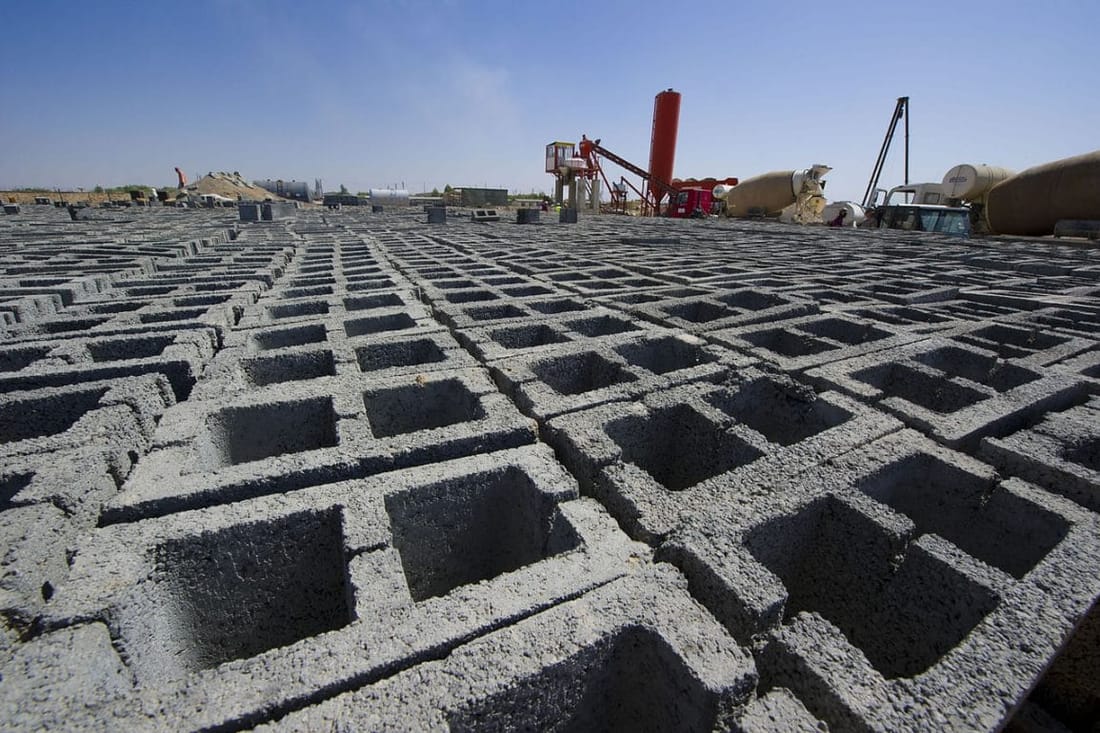
Concrete and block masonry for Aurora homes and businesses
When you hire Superior Masonry Aurora for concrete and block masonry, you are getting a team that knows how these materials behave in real Aurora, CO conditions. Our crews work with poured concrete, CMU (concrete masonry unit) block, and structural block systems every day, so we can help you decide what makes sense for your project, budget, and future maintenance.
Typical concrete and block masonry projects in Aurora include foundation stem walls, garage and shop walls, retaining walls, trash enclosures, loading dock walls, columns, and block fences. For each of these, we look at soil conditions, drainage patterns on your lot, nearby structures, and snow load to choose the right block type, concrete mix, and reinforcement. In neighborhoods with expansive Front Range soils, we might recommend deeper footings, extra rebar, or a different block configuration than you would see in other parts of Colorado.
From the first visit, we talk in plain language about how the work will be done. You will know where forms will go, where blocks will be stacked, how we will access the site, and what kind of equipment we plan to bring in. If you have close neighbors or tight side yards, we plan our staging and mixing area carefully so your property stays safe and accessible through the entire project.
How we actually build your concrete and block masonry project
Good concrete and block masonry starts with layout and base preparation. For a wall or structure, we begin by marking the exact footprint with string lines and stakes, then we excavate for footings to the depth your project and local code require. In parts of Aurora closer to the plains, we often encounter softer fill soils, so we take care to reach undisturbed soil or install a compacted gravel base to prevent settlement.
Once the trench is ready, we set forms for the concrete footing and install rebar cages or horizontal steel as specified. We usually place rebar dowels that will tie into the block wall. Then we pour concrete using a mix that suits the job, often 3,000 to 4,000 psi for structural work, making sure it is properly vibrated and leveled. After the footing cures enough to work on, we snap layout lines so every block course runs straight and true.
For the block masonry itself, we start with a full mortar bed on the footing and set the first course of block very carefully. This first row controls the accuracy of the entire wall. We check level and plumb on every few blocks, and we use string lines at the top of each course so the finished wall looks clean and uniform. Vertical rebar is fed up through the block cores at planned intervals, and horizontal joint reinforcement is installed in bed joints where required.
As we build up, we fill certain block cells with grout or concrete, especially around corners, wall ends, and high load areas. Openings for doors, vents, or utilities get special attention so the cuts are clean and the structure stays strong. When the wall reaches final height, we form and pour a concrete bond beam or cap that ties everything together and resists lateral forces from soil, snow, and wind.
Design choices: block types, finishes, and concrete options
Block masonry is more flexible than many people expect. Standard gray CMU is common for structural walls and retaining walls that will be backfilled or finished later, but Superior Masonry Aurora can also install split face, scored, or colored block when appearance matters. For example, a visible garden retaining wall along your Aurora front yard might use split face block in an earth tone that complements your siding, while a shop wall behind the house might use plain block to control cost.
You can also choose different block sizes. Most residential work uses 8 inch units, but 6 inch blocks can be a good match for low garden walls or interior partitions, and 12 inch units may be right for taller retaining walls. We review height, soil pressure, and fence loads to suggest an appropriate size so you are not underbuilt or overspending.
Concrete choices matter too. For footings, structural slabs, and grouted cells, we select the mix based on weather and use. Outdoor work in Aurora has to handle freeze thaw cycles and ice melt products, so we often specify air entrained concrete with the right water cement ratio and curing plan. Decorative concrete options can be combined with block, such as a stamped concrete patio tied into a block seat wall, or a broom finished sidewalk against a block foundation.
Finish details are where a functional structure can start to look intentional. Joints can be tooled concave for better water shedding, raked for a shadow line, or struck flush if you plan to parge or stucco later. On exposed concrete, we might add a light broom texture for slip resistance, cut control joints at specific intervals to manage cracking, and slope surfaces slightly away from the house to direct water toward safe drainage areas.
What affects cost and timeline for block masonry in Aurora
Customers often ask why two similar looking block masonry projects can have very different prices. The first factor is footing and excavation work. If we are digging into a flat, open lawn with easy access for a small excavator, costs stay lower. On hillsides in Aurora with tight access or existing landscaping that needs protection, we may have to dig more carefully by hand and build more complex forms to follow grade changes.
Block type and reinforcement level also drive cost. A simple, non structural block fence using standard units and minimal rebar will be more economical than a tall retaining wall that needs engineered cores filled with grout, additional geogrid reinforcement, or a drainage field. If your property has a history of drainage problems, we often install perforated drain pipe, gravel backfill, and weep holes behind retaining walls, which adds some cost but prevents expensive failures later.
Access affects material handling time. Block and concrete are heavy, so projects that require long carries from the street or wheelbarrowing concrete around obstacles take longer and require more labor. If your Aurora home is in an older neighborhood with narrow alleys or limited driveway space, we plan for this up front and explain how it changes the estimate.
Season and weather can impact schedule. In colder months, we may need to adjust pour times or use curing blankets and additives so concrete and mortar gain strength properly. High summer heat and sudden storms also affect how we plan the workday so fresh concrete is not rained on or dried too fast. Superior Masonry Aurora includes realistic timeframes in your proposal, and we let you know how any weather related adjustments will be handled before we start.
Local issues, common problems, and how we prevent them
Aurora, CO has a mix of clay and fill soils, along with regular freeze thaw cycles that can be tough on concrete and block masonry. One common problem we see is minor cracking or movement in walls that were built without proper footings or reinforcement. To avoid this, we size footings to local code or better and use rebar patterns that match the wall height and soil conditions. This helps keep your wall straight and strong through winter freezing and summer drying.
Drainage is another big issue. Retaining walls that trap water behind them will eventually bulge, crack, or leak through joints. On every block retaining wall, Superior Masonry Aurora evaluates where water will come from, where it should go, and how to relieve pressure. That might mean adding a gravel backfill zone with filter fabric, a perforated drain at the base, or weep holes at specific intervals. For walls close to foundations, we also check that downspouts and surface grading are not pushing extra water against the masonry.
We also pay attention to how the new masonry ties into existing structures. When connecting a new block wall to an older foundation or garage, we usually install rebar dowels or mechanical anchors so the two components move together instead of pulling apart. If the existing concrete is in questionable condition, we may recommend an isolation joint instead, which allows controlled movement without unsightly cracking.
Before you hire any block masonry contractor in Aurora, ask how they plan to reinforce the wall, manage drainage, and protect the work during curing. A detailed answer to these questions tells you more than a low number on a quote. Our proposals clearly list footing depth, block size, rebar spacing, fill or grout requirements, and drainage solutions so you know exactly what you are getting and can compare it fairly with other bids.