Home › Site Walls and Hardscapes
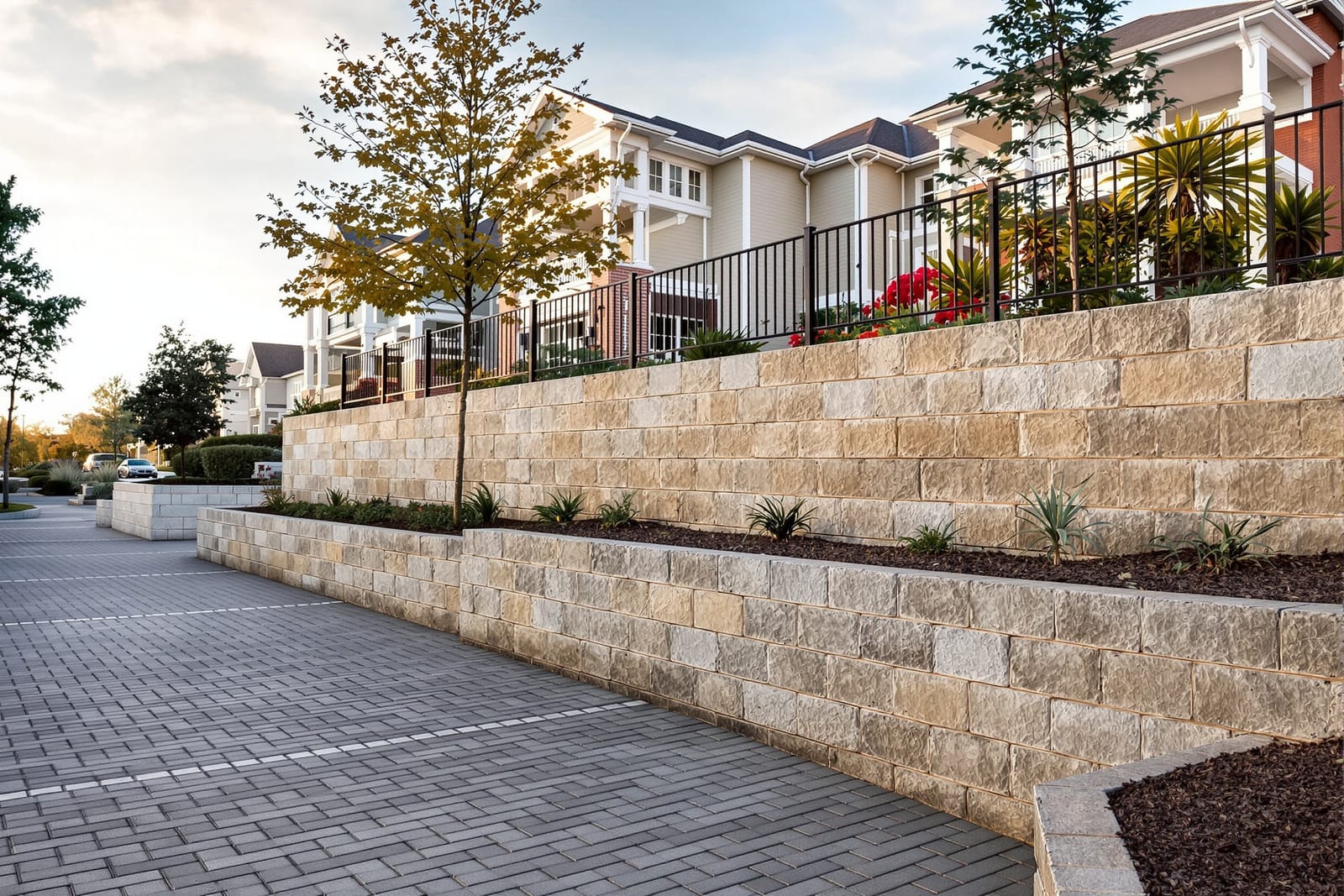
We build commercial hardscape masonry in Aurora, CO including site walls, plazas, planters, and stairways. Our work enhances entrances, courtyards, and pedestrian routes with durable brick and stone features. We coordinate grades and drainage so hardscapes remain safe and low maintenance for years.
Superior Masonry Aurora provides professional commercial hardscape masonry throughout Aurora, CO, Colorado and the surrounding area. Our licensed, insured crew delivers safe, clean, on-time work with a free estimate before anything begins. Call (720) 927-8800 or request your free quote.
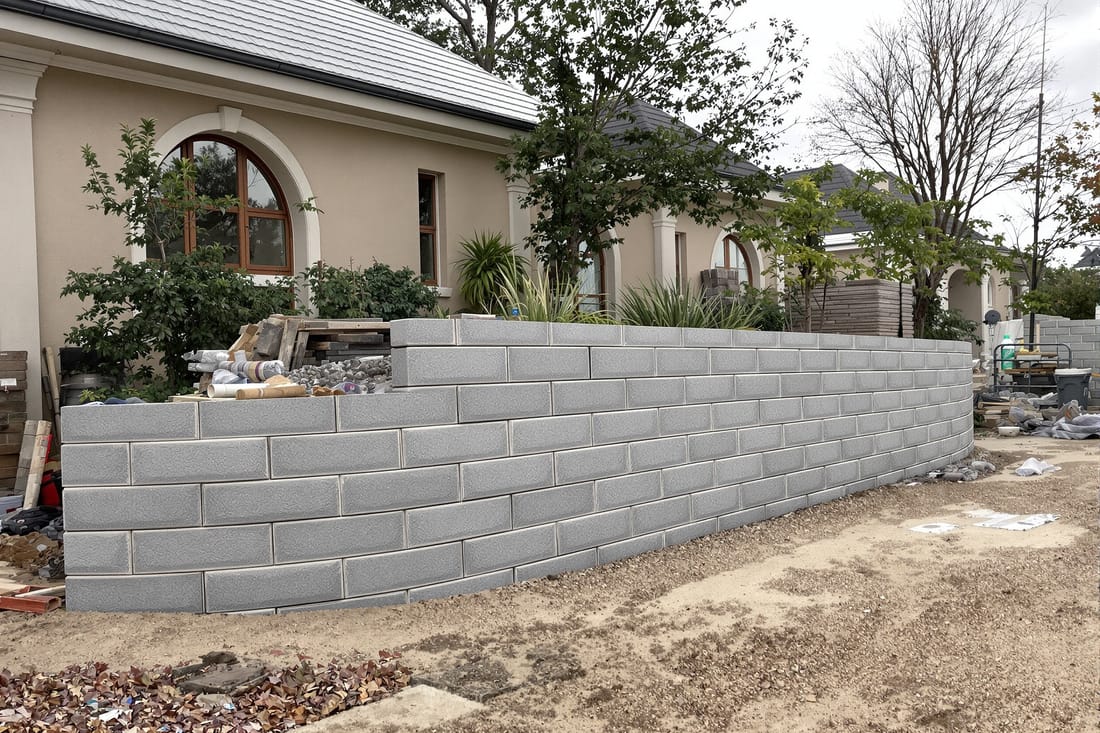
Site walls and hardscapes built for Aurora properties
Site walls and hardscapes are the backbone of how a commercial property feels and functions. At Superior Masonry Aurora, we build retaining walls, seating walls, steps, walkways, and paved plazas that handle Colorado’s freeze-thaw cycles and still look clean years later. Our focus is on layouts that move people safely, control drainage, and keep maintenance practical for property managers.
On a typical project, we start on site with a walk-through of how the space is really used: where trucks turn, where snow piles up, how water runs during a summer storm, and which areas need to stay open for ADA access. We measure grades, look at existing concrete and asphalt, and note where utilities and plowed snow will impact any new walls or pavements. From there, we suggest locations and heights for site walls and pick hardscape surfaces that will not spall or heave under Aurora’s temperature swings.
For commercial hardscape masonry, durability comes first. That might mean a reinforced CMU (concrete block) wall with a brick or stone veneer at a retail center, or a full-depth concrete paver system for a restaurant patio that sees heavy chair and table movement. We explain the pros and cons of each option in plain language, including how each choice affects long-term maintenance and how it holds up to snow removal and de-icing salts.
Design options that fit commercial use and Colorado weather
Designing site walls and hardscapes for a commercial property in Aurora is a balance of looks, traffic flow, and weather. Superior Masonry Aurora works with architects and owners to pick materials that match the building while still being realistic for day-to-day use. For example, smooth natural stone might look great in a rendering but becomes slick when icy. In those cases, we recommend textured concrete pavers or broom-finished concrete with defined control joints.
For walls, we commonly use three systems: engineered segmental retaining wall blocks, reinforced CMU with veneer, or poured-in-place concrete with a masonry or stone facing. Segmental retaining walls are ideal for parking lot grade changes and landscape terraces. They allow slight movement during freeze-thaw cycles without cracking and can be engineered with geogrid reinforcement for taller heights. Reinforced CMU with brick or stone veneer works well for entry features, screen walls, and trash enclosures, where a precise visual match to the building is important.
Hardscape surfaces often combine several materials. A commercial hardscape masonry layout might use thick concrete pavers in drive lanes, decorative banding at entrances, and poured-in-place concrete in service areas where forklifts or delivery trucks turn. We also account for local snow practices. In Aurora, plows and snow blowers are common on commercial sites, so we avoid fragile edge details and choose paver patterns and jointing sands that stand up to scraping and de-icing products.
We also design for drainage from the start. Slight cross slopes, trench drains where needed, and properly compacted base material keep water away from buildings and keep ice patches from forming near doorways. Addressing these details during design prevents trip hazards and surface failures that are common when drainage is treated as an afterthought.
How the site walls and hardscapes build process works
Once the design is set, Superior Masonry Aurora follows a clear sequence so your site stays as organized as possible during work. First, we coordinate with utility locates and your other trades so excavation does not conflict with irrigation lines, lighting, or underground power. Then our crew handles demolition and excavation, removing old concrete or asphalt, cutting back failing slopes, and hauling debris off site to keep access lanes clear.
Next comes base preparation, which is where many commercial hardscape masonry projects fail if it is not done correctly. We bring in the specified aggregate base, usually a compacted road base with defined gradation, and install it in layers with plate compactors or rollers depending on the access and size of the area. For site walls, we prepare level footing trenches with proper width and embedment based on the wall system and engineer’s details. If geogrid is required, we install it at the specified layers, extending back into the retained soil to lock the wall into the hillside.
For pavers or hardscape surfaces, we then place a leveling course or mortar bed, carefully set units to line and grade, and maintain tight, consistent joints. In high-traffic areas, we recommend polymeric joint sand for pavers because it helps lock the surface together and resists washout from heavy rains and pressure washing. For concrete components, we install rebar reinforcement, use proper formwork, and place control joints on a layout that minimizes random cracking.
Throughout construction, we keep access paths clear for tenants and customers when possible, and we phase work so main entrances and ADA routes stay usable. We also coordinate with your snow contractor or property manager if the schedule overlaps with winter, to make sure work zones are protected from plows and ice melt products while curing.
Costs, timelines, and common problems to watch for
The cost of site walls and commercial hardscape masonry in Aurora depends on several specific factors: total square footage, wall height and reinforcement needs, access for equipment, material choice, and subgrade conditions. A short decorative seat wall built from CMU and brick veneer in an open courtyard will typically cost less per linear foot than a tall, engineered retaining wall on a tight hillside that requires geogrid and drainage piping. Similarly, concrete pavers installed in a pedestrian courtyard have a different cost profile than heavy-duty pavers or reinforced concrete in a loading zone.
Hidden issues often show up during excavation. Soft subgrade soils, buried construction debris from an older building, or unmarked utilities can impact both cost and schedule. At Superior Masonry Aurora, we flag these issues immediately and suggest practical fixes, such as over-excavation and replacement with compacted structural fill, or redesigning a wall alignment to avoid an unmovable conflict. Addressing these problems correctly is critical in our climate because poor bearing soils can lead to settlement and cracking after only a few freeze-thaw cycles.
Weather and season also affect timing and pricing. In Aurora, winter work is possible, but concrete and mortar must be protected from freezing with blankets and sometimes accelerators, which adds cost. For large projects, we often recommend major concrete pours and extensive paver installations between late spring and early fall, when nights are warmer and curing conditions are more stable. That schedule helps reduce cold-weather risk and speeds up production.
To keep budgets on track, we provide clear written scopes that separate base prep, drainage components, and visible finishes. This makes it easier for owners and general contractors to compare our proposal with others and understand what is and is not included, such as sawcut control joints in concrete, edge restraints for pavers, and wall drainage fabric and stone.
What Aurora property owners should confirm before hiring
Before you hire any contractor for site walls and hardscapes, there are a few checks that pay off in Aurora’s conditions. Ask to see examples of projects that are at least three winters old. You want to see how walls, stairs, and pavers have held up to freeze-thaw cycles, snow plows, and de-icing chemicals. Superior Masonry Aurora can point you to completed commercial hardscape masonry projects around town so you can see our work in real conditions, not just in photos taken on day one.
Verify that your contractor is familiar with local engineering requirements. Retaining walls over certain heights typically require engineering and sometimes permits. The wall system, footing depth, and drainage details have to match the engineer’s design, not just the manufacturer brochure. We work directly with structural and civil engineers and keep all shop drawings and approvals documented so the owner has a complete record.
You should also confirm what warranty is offered and what it actually covers. For example, we differentiate between material defects, installation issues, and normal wear from heavy commercial use. We explain which items are covered under our workmanship warranty and which are maintenance items, such as re-sanding paver joints after several years or sealing concrete to reduce salt penetration.
Finally, make sure the contractor is prepared for coordination on an active site. Commercial properties in Aurora often stay open during construction, so it matters how the crew handles staging, signage, and cleanup. Our teams schedule noisy work outside of peak business hours when possible, use clear fencing and temporary ramps where needed, and leave walkways swept and safe at the end of the day. This approach keeps tenants, customers, and property managers informed and reduces complaints during the project.