Home › Masonry Restoration and Historic Preservation
We specialize in historic masonry restoration in Aurora, CO, carefully repairing aging brick and stone on landmark and legacy buildings. Our methods use compatible mortars, gentle cleaning, and selective replacement to preserve original character. We document conditions and coordinate with owners and design teams to protect historic value.
Superior Masonry Aurora provides professional historic masonry restoration throughout Aurora, CO, Colorado and the surrounding area. Our licensed, insured crew delivers safe, clean, on-time work with a free estimate before anything begins. Call (720) 927-8800 or request your free quote.
Masonry restoration in Aurora that respects your building’s story
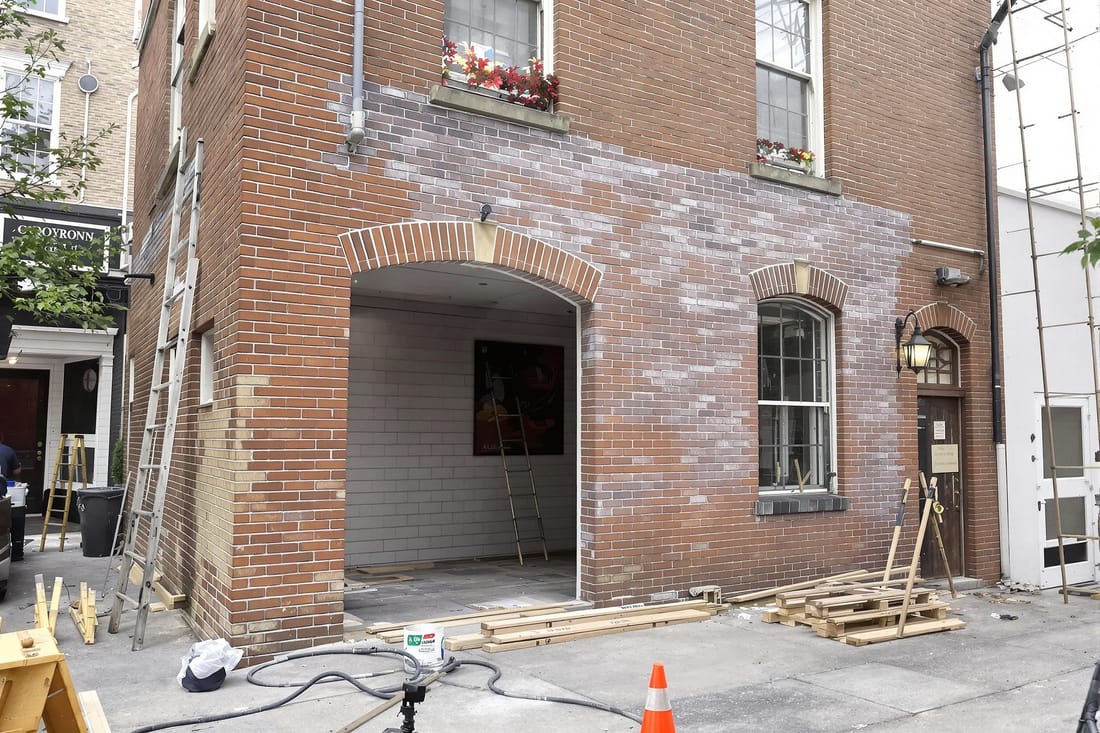
Historic masonry restoration is not just about making old brick or stone look new. It is about keeping the character that makes your Aurora property unique while solving the structural problems that come with age and Colorado weather. At Superior Masonry Aurora, we focus on the small details that most people walk past but that matter a lot for long term durability.
When we visit a historic home or commercial building, we start with a careful visual and tactile inspection. We look for stair-step cracks, loose or powdery mortar, spalling brick faces, salt deposits, and previous patch jobs that do not match. Aurora’s freeze-thaw cycles and strong sun can cause hairline cracks to widen over years, so we pay special attention to moisture entry points, such as window sills, parapet caps, and chimneys.
We then document what we see with photos and notes, sometimes comparing to old photos from the owner, city records, or local historic societies when available. This helps us understand what is original, what has been altered, and how far we should go in returning the masonry to an earlier appearance. For designated historic properties, we also discuss any local guidelines that may apply, such as matching mortar color and joint tooling style.
From there, we build a restoration plan that balances authenticity, safety, and budget. Some clients want a “museum level” restoration. Others need a more practical approach that stabilizes the structure and improves appearance while staying within a set cost. We explain where we propose investing more, such as in failing structural walls, and where we can simply clean and maintain.
How we match historic brick, stone, and mortar
Matching old materials is one of the most important parts of historic masonry restoration. Aurora and the greater Denver area have buildings built with many different clay brick blends and stone types, and a poor match is easy to spot.
For brick, we start by identifying color tones, size, texture, and firing style. Older brick often has irregular faces and softer edges. Whenever possible, Superior Masonry Aurora sources reclaimed brick from regional suppliers so repairs blend with the existing walls instead of standing out as “patches.” If reclaimed is not available, we sample new brick from several manufacturers, then hold them against your existing wall in different lighting so you can see the difference.
Mortar is just as critical. Too hard a mortar, like a modern high-Portland mix, can damage older, softer brick. We often perform a simple field analysis, checking hardness with hand tools, observing color and sand grain size, and looking at how the joints weather. For more sensitive projects, we can coordinate lab testing to get the closest possible match.
Once we understand the original mix, we design a compatible mortar using lime, sand, and cement in the right proportions. We also match the joint profile (for example, concave, grapevine, or flush) and finish method to ensure repairs disappear visually. On Aurora’s older bungalows and storefronts, this level of matching makes the difference between a wall that looks patched and one that looks original.
Stone restoration is similar. We identify the type of sandstone, limestone, or other masonry, then decide whether to repair with dutchman patches (small pieces of stone inserted to replace damaged sections), epoxy pinning, or complete stone replacement. We always aim to save original stone when possible, especially on entry columns, sills, and decorative elements.
What the restoration process looks like on your property
Homeowners and building managers in Aurora often want to know what to expect day to day once work begins. Superior Masonry Aurora lays out the steps clearly so you know how long we will be on site and how we will protect your property.
First, we set up protection. This typically includes ground covers to catch mortar and debris, temporary plywood or foam shields over windows, and dust control for entrances that stay in use. On busy streets, we may coordinate with you on temporary barriers or signage to keep pedestrians safe.
Next comes selective demolition. We carefully remove only the failed or inappropriate work. This can mean grinding out deteriorated mortar joints to a proper depth for repointing, cutting out badly spalled bricks, or dismantling unstable sections of a chimney or parapet. We avoid aggressive power tools when they could damage nearby historic materials, and we control vibration as much as possible.
Rebuilding and repointing follow. We install new or reclaimed brick or stone, then lay in the matching mortar we designed earlier. Joints are filled in lifts to avoid shrinkage and are tooled at just the right time in the curing process. On taller buildings or chimneys, we set up safe scaffolding, tie-offs, and sometimes hoists for materials, and we coordinate access with tenants if we need to work from balconies or roof decks.
Finally, we handle cleaning and optional protective treatments. For historic masonry, we usually use low-pressure water and gentle cleaners suitable for Aurora’s climate, and we avoid sandblasting that can permanently scar the surface. In some cases, especially where water exposure is persistent, we recommend breathable water repellents that allow moisture inside the wall to escape while reducing new water penetration.
Common problems in Aurora and how we solve them
Aurora’s climate creates specific issues that affect older masonry differently than newer construction. Knowing these patterns helps Superior Masonry Aurora target the root cause, not just the symptoms.
Freeze-thaw damage is a leading problem. Water gets into small cracks, freezes on cold nights, and expands, causing brick faces to flake off or mortar joints to break down. On historic restoration projects, we look for and repair the points where water is entering, such as failed sealant around windows, missing flashing, or cracked caps at the top of parapets and chimneys. We may recommend adding or repairing metal coping, replacing damaged chimney crowns, or improving drainage at grade.
Another common issue is past “repairs” that used the wrong materials. Hard cement overlays, incompatible mortar, or modern brick that does not breathe like the original can trap moisture in the wall. When we see this, we usually remove the incompatible portions and replace them with materials that are closer to the original construction method. This allows the wall to dry out instead of continuing to deteriorate from the inside.
Historic basements and foundations in older Aurora homes can also show bowing, vertical cracking, or efflorescence (white salts on the surface). We evaluate whether the problem is structural movement, water intrusion, or both. Solutions may include repointing with appropriate mortar, rebuilding damaged sections, improving exterior grading, or coordinating with drainage contractors if a sump or French drain is needed.
Finally, sun and wind exposure on the Front Range wears out one side of many buildings faster than the others. We may recommend a phased restoration approach that targets the worst elevations first, which helps spread costs over several years while still protecting the building from the most serious damage.
Planning, cost factors, and choosing the right restoration partner
Historic masonry restoration is more involved than basic tuckpointing, and understanding cost drivers helps you make informed decisions. The main factors are access (one-story house versus multi-story building), extent of deterioration, difficulty of material matching, and whether structural repairs or only cosmetic work are required.
Labor is a major part of the cost because historic restoration is detailed work. Removing mortar by hand around delicate brick, sourcing matching materials, and shaping new stone all take time. In Aurora, additional costs can come from scaffolding on sloped lots, coordinating with neighboring properties, or working around existing tenants or business operations.
Before you hire anyone, ask how they determine the original mortar type, what their plan is for material matching, and whether they have completed similar historic projects in the Denver and Aurora area. Also ask to see close-up photos of past work, especially before and after images of joints and patches. Sloppy joints or obvious color mismatches are a red flag.
Superior Masonry Aurora typically provides a written proposal that separates critical structural and weatherproofing work from optional aesthetic improvements. This allows you to prioritize if you are working within a specific budget. For some clients, we also suggest a multi-year plan that starts with stabilizing the most vulnerable areas, such as chimneys, parapets, or heavily cracked corners, then moves on to less urgent cleaning and cosmetic work later.
We also talk through timing. Aurora’s freeze cycles influence when we can safely carry out certain parts of the work. Mortar needs appropriate temperature and moisture conditions to cure correctly, so we plan schedules around the seasons and can sometimes use cold-weather techniques if a project is urgent. Our goal is to preserve your masonry in a way that respects both its history and your day-to-day use of the property.