Home › Foundation and Basement Masonry
We provide masonry foundation repair in Aurora, CO for cracked, bowing, or leaking block and stone basement walls. Our solutions include reinforcement, crack stitching, partial rebuilds, and waterproof coatings to keep water out. We assess structural issues and recommend repairs that stabilize your home long term.
Superior Masonry Aurora provides professional masonry foundation repair throughout Aurora, CO, Colorado and the surrounding area. Our licensed, insured crew delivers safe, clean, on-time work with a free estimate before anything begins. Call (720) 927-8800 or request your free quote.
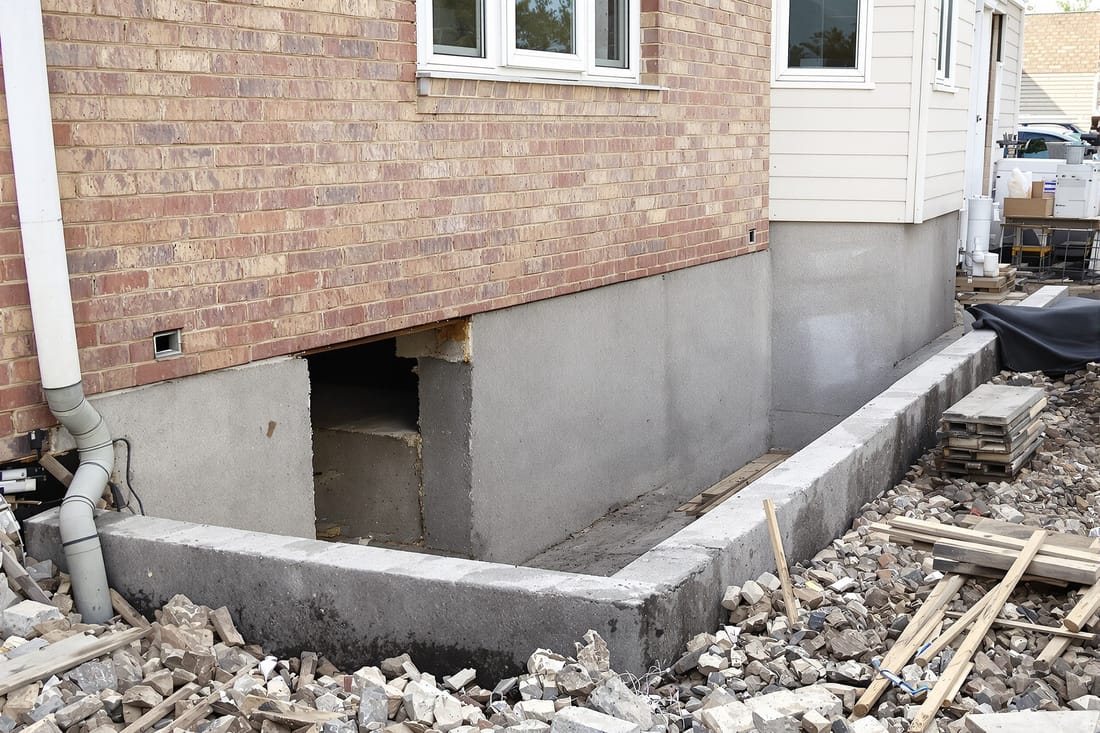
Foundation and basement masonry in Aurora, tailored to Colorado soils
Aurora’s mix of expansive clay soils, freeze-thaw cycles, and occasional heavy storms is hard on foundations. At Superior Masonry Aurora, we focus specifically on how these local conditions affect basement walls and concrete footings, so your repair is based on what is happening under Aurora homes, not a generic national checklist.
When we inspect a masonry foundation, we start with the symptoms you see inside, like stair-step cracks in block walls, damp corners, uneven basement floors, or windows that suddenly stick. Then we move outside to look at grading, downspouts, and visible foundation edges. In Aurora, we also look for signs of soil heaving from wet clay and damage from snowmelt pooling next to the house.
We document crack patterns, measure any wall bowing, and note changes from previous repairs. This allows us to separate cosmetic settling from serious structural movement. Every recommendation we make, whether tuckpointing, structural reinforcement, or partial rebuild, is tied to the actual cause, not just patching over visible damage.
Superior Masonry Aurora uses this detailed evaluation to design a repair plan that fits your specific foundation type, basement use, and budget, while respecting our local climate and building codes.
How masonry foundation repair is actually done
A proper masonry foundation repair usually involves several coordinated steps, not just filling a crack. For concrete or block foundations, we often begin by carefully cleaning and opening up cracks with a grinder or chisel so we can see their full depth. Any loose or crumbling masonry is removed so new material bonds to solid, sound surfaces.
For structural cracks, we typically install vertical or diagonal reinforcement. This may include rebar dowels epoxied into drilled holes, carbon fiber straps for bowing walls, or new concrete pilasters (short interior buttress walls) tied into the slab and the existing wall. On older Aurora homes with concrete block foundations, we sometimes grout-fill hollow block cores near damaged areas to create solid, reinforced sections that resist future movement.
Mortar repair (repointing or tuckpointing) involves raking out damaged joints to a set depth, then packing in new mortar that is compatible with the original material. Using mortar that is too hard or too soft can cause more cracking, so we match compressive strength, color, and texture as closely as possible. On poured concrete, we may use epoxy injection for tight structural cracks or flexible polyurethane injection for non-structural, water-related cracks.
If a section of the foundation has failed, we can perform a partial rebuild. That means temporarily supporting the structure above, removing the damaged masonry in manageable sections, installing new reinforcement, then rebuilding with concrete block or poured concrete tied into the old foundation with dowels and bonding agents.
Waterproofing and drainage for Aurora basements
Many Aurora homeowners call us for masonry foundation repair because they see water on the basement floor. In many cases, the masonry is only part of the problem, and drainage must be corrected at the same time to prevent repeat damage.
We look first at exterior grading and runoff. If soil has settled near the house and slopes toward the foundation, meltwater and summer storms can repeatedly soak the wall. We recommend reshaping soil grades, extending downspouts, and repairing concrete flatwork that directs water toward the foundation. Small changes on the surface can dramatically reduce water pressure on the masonry.
Inside, we may install or upgrade perimeter drains and sump systems. For block walls, we can relieve water pressure by drilling weep holes at the base of the blocks into an interior drain channel, then patching and waterproofing the wall. For poured walls, we combine crack injection with interior or exterior waterproofing membranes, depending on access and budget.
We often use cementitious waterproof coatings or elastomeric membranes on the interior face of foundation walls, then finish with rigid foam or framed walls if the basement will be living space. The goal is not just to stop visible leaks, but to control moisture migration through the masonry so the basement stays dry enough for long-term storage or finishing without recurring mold issues.
Local factors that affect timing and cost in Aurora, CO
In Aurora, foundation and basement masonry work is affected by temperature, moisture, and soil conditions. Mortar and concrete need certain temperatures to cure properly, so full-scale exterior foundation repairs are usually best scheduled from late spring through early fall. We can work outside this window for urgent situations, but it sometimes requires cold-weather additives, temporary heat, or staging that can affect cost.
Accessibility is another major factor. If a foundation wall is barely exposed, we may need to excavate to reach the damaged section. Depth of the footing, proximity to neighboring houses, and location of decks or concrete patios all play a role in the labor required. For finished basements, the time and cost to remove and replace interior finishes, like drywall or paneling, is also part of the project.
Material choice influences both price and performance. Reinforcement with carbon fiber or high-strength epoxy systems usually costs more up front than simple mortar patching, but in Aurora’s expansive soils these systems often prevent repeat repairs. When we propose options, Superior Masonry Aurora clearly separates structural necessity from optional upgrades so you can prioritize where your budget goes.
We also account for permits and inspections. Structural modifications to foundations generally require review by the local building department and sometimes an engineer’s letter. We coordinate with Aurora inspectors and, when needed, local engineers, so the work meets current standards and holds its value if you decide to sell.
Common foundation and basement issues we repair
Homeowners in Aurora tend to see a few recurring masonry foundation problems, each with its own solution. Horizontal cracking and inward bowing of basement walls are common where backfill soils are heavy clay or where downspouts discharge close to the foundation. We address these with reinforcement such as carbon fiber straps or interior pilasters, combined with exterior drainage improvements so the wall is not pushed again.
Stair-step cracks in block walls can indicate differential settlement. In those cases we evaluate whether the movement has stabilized or is ongoing. Minor, stable settling can often be repaired by repointing and localized reinforcement. Ongoing movement may require underpinning or partial reconstruction of the affected area, tied into more stable sections of the foundation.
We also repair spalling, where the face of block or concrete flakes off, often from freeze-thaw cycles or de-icing salts. This typically involves removing the damaged surface, treating exposed steel if present, and resurfacing with a bonding agent and compatible repair mortar. For basements with chronic dampness or white, powdery efflorescence, we combine masonry repairs with vapor control, better ventilation, and sometimes dehumidification.
With Superior Masonry Aurora, you always receive a clear explanation of what is causing the issue, what will happen if it is not repaired, and the specific steps we recommend to correct it, so you are not left guessing about your foundation.
What to know before hiring a masonry foundation repair contractor
Before you commit to any foundation and basement masonry work, it helps to know what to ask. Any contractor you consider should be willing to explain whether your problem is mainly structural, mainly moisture-related, or a mix of both, and then show how their scope of work addresses each cause. If you only receive a quote for cosmetic patching with no mention of drainage, soil conditions, or reinforcement, you may be paying for a short-term fix.
Ask for details about materials, such as the type of mortar, reinforcement, and waterproofing products. For example, in Aurora’s climate we prefer repair mortars that tolerate freeze-thaw cycles and slight movement. For interior crack injection, we match material type to the problem, structural epoxy for load-bearing cracks and flexible polyurethane for non-structural leaks.
It is also reasonable to ask how the contractor will protect your interior space. At Superior Masonry Aurora, we take care with dust control, floor protection, and daily cleanup, especially in finished basements or where storage is present. We outline how long different stages will take, which areas you need to clear, and when utilities like water or electricity might be briefly interrupted.
Finally, make sure any masonry foundation repair plan fits your long-term goals for the basement. If you plan to finish the space or sell the home in the near future, we can design solutions with future inspections and build-out in mind. If your priority is simply to stabilize and keep the area usable for storage, we can focus on essential structural and moisture control work without unnecessary upgrades.