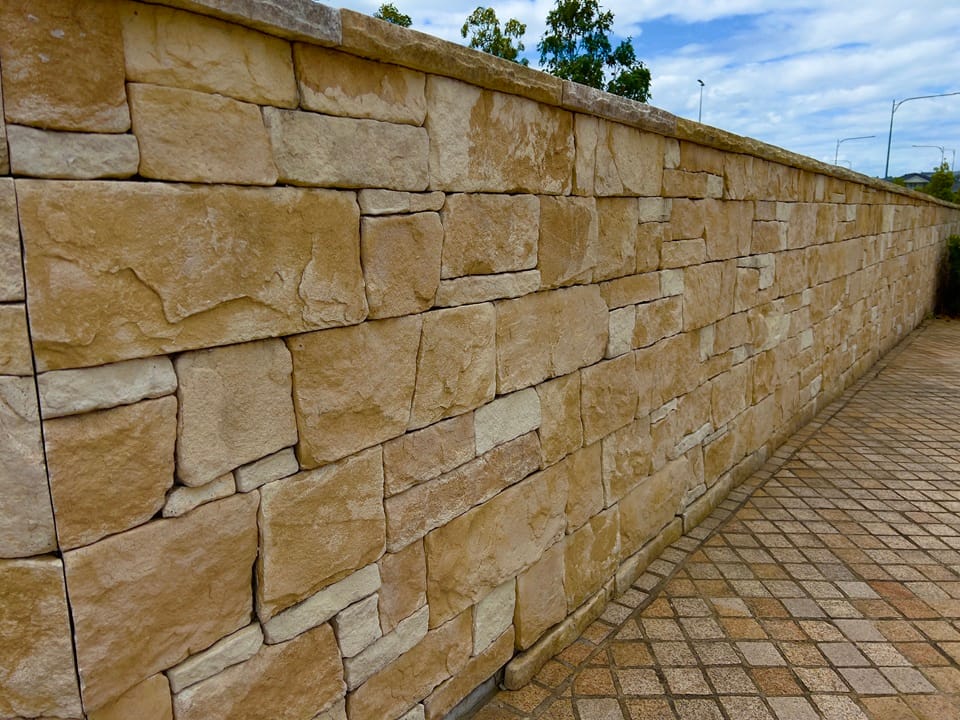
We provide high quality stone masonry in Aurora, CO, including natural stone walls, veneers, columns, and steps. Our masons carefully select and fit each stone for strength, drainage, and appearance. From rustic retaining walls to refined stone entries, we design and build features that stand up to Colorado weather.
Superior Masonry Aurora provides professional stone masonry throughout Aurora, CO, Colorado and the surrounding area. Our licensed, insured crew delivers safe, clean, on-time work with a free estimate before anything begins. Call (720) 927-8800 or request your free quote.
Stone Masonry for Aurora Homes and Businesses
Stone masonry is one of the most durable ways to build in Colorado, but it must be done with our local freeze-thaw cycles in mind. At Superior Masonry Aurora, we design and install stone features that can handle Aurora’s hail, late spring snowstorms, and big temperature swings from day to night.
We work with both natural and manufactured stone, depending on your budget and the look you want. Natural stone options include Colorado buff flagstone, sandstone, granite, and locally sourced fieldstone. Manufactured stone (often called stone veneer) offers lighter weight and consistent colors, which can be a better choice for accent walls and remodels. We help you choose stone that will not just look right with your home, but will also stand up to sun, snow, and road salt in our area.
From structural stone retaining walls in the yard to fireplaces, porch columns, and full stone facades, our focus is on builds that match the character of Aurora neighborhoods. We pay particular attention to drainage, base preparation, and mortar selection, because those are the areas where stone projects in our climate succeed or fail.
Types of Stone Masonry Projects We Build
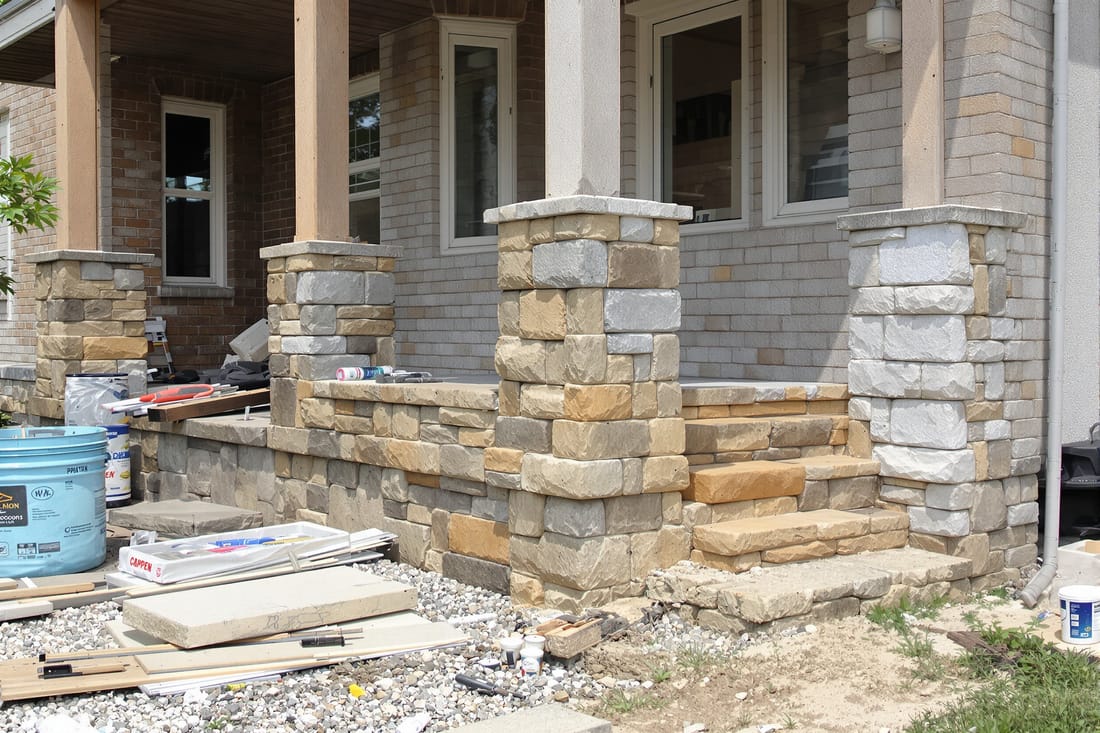
Superior Masonry Aurora handles both structural and decorative stone masonry. For exteriors, common projects include stone veneers over existing concrete foundations, full-height stone facades on front elevations, and stone wainscoting (usually 3 to 4 feet high) on garages and house fronts that face the street. We also build stand-alone stone columns for porches, mailboxes, and entryways.
In outdoor living spaces, we construct stone patios, seating walls, fire pits, outdoor fireplaces, and stone-faced outdoor kitchens. Many Aurora homeowners pair a concrete or paver surface with stone vertical elements, which is often more cost effective than a full-depth stone patio but still gives a high-end look. For sloped yards in areas like Saddle Rock or Southshore, we build stone retaining walls that are properly drained and engineered to handle soil movement and irrigation runoff.
Indoors, we often reface existing fireplaces with stone veneer, build stone hearths, and add stone accent walls. When working inside, we plan cutting and mixing locations carefully to control dust, and we schedule noisy cutting work at reasonable hours so we respect your neighbors.
How We Plan and Design a Stone Masonry Project
A successful stone job in Aurora starts with planning around the site and our weather. First, we meet on-site to look at grading, existing structures, and how water currently moves through the area. On exterior projects, we identify where snow will drift, where ice tends to form, and which walls get the most sun. All of this affects which stone and mortar mix will last the longest.
Next, we talk about style. For a more rustic Colorado look, we often suggest random ashlar or ledgestone patterns and irregular flagstone. For a modern or transitional home near Southlands, we may use linear stones with tighter joints and less texture. We can lay out sample stones and do a small dry mockup so you can see color blends and joint widths before we commit to the full installation.
We also check structural needs. For a full stone wall, we verify that the foundation or footing is sized correctly. For veneer over framed walls, we confirm that the sheathing is sound, that there is a proper moisture barrier and metal lath, and that weight limits are respected. Skipping these steps is one of the main reasons stone starts to crack or separate years later, so we treat this part as non-negotiable.
Our Step-by-Step Stone Masonry Process
Every stone project we build follows a clear process so you know what is happening and why. First is site prep. We remove loose material, failing stucco or brick, and any soft soil. For patios and walkways, we excavate to the required depth, then compact a crushed stone base in thin lifts. This gives the stone a stable platform that can handle Aurora’s freeze-thaw movement without heaving.
Second is base and backing installation. For retaining walls and structural elements, we pour or inspect the concrete footing, add rebar if needed, and set up any drainage pipe or weep holes. For veneer over framed walls, we install water-resistive barriers, metal lath, and scratch coats so the stone has a solid, rough surface to bond to.
Third is stone layout and setting. We usually stage different sizes and colors of stone nearby, then lay them out in a pattern on the ground before installing. This helps avoid color blotches and repeating patterns that can make a wall look artificial. Stones are cut with a saw or hand tools to get tight, clean joints. We set each piece in mortar, tap it into place, and check level and plumb constantly.
Finally, we tool the joints and clean the surface. Once the mortar has set enough, we shape the joints with the right profile for the style you chose, then brush residual mortar from the face of the stone. On exterior work, we finish by checking that grading and drainage around the new work will move water away, not toward, the stone.
What Affects the Cost of Stone Masonry in Aurora
Stone masonry pricing depends on more than just the square footage. One of the biggest factors is the type of stone. Natural stone is typically more expensive in both material and labor because each piece needs more cutting and shaping. Manufactured veneer is usually more uniform and faster to install, so it can be a good choice if you want the look of stone without the price of a full-thickness build.
The complexity of the layout also matters. A straight garden wall with large, regular stones is more affordable per square foot than a curved seating wall with tight, irregular joints. Features like corners, arches, columns, steps, and detailed caps require more time and skill. Access is another big driver of cost in Aurora neighborhoods. If we can bring materials with a truck right to the work area, that saves hours of labor compared to carrying every stone through a narrow side yard or up a steep slope.
Season and schedule can also influence pricing. Winter work often requires tenting, heaters, and cold-weather additives in the mortar so it cures correctly, and that adds cost. On the other hand, trying to do everything in the peak of summer may require early morning or evening work to avoid hot, dry conditions that can cause mortar to cure too quickly. In our estimates, we spell out labor, materials, and any weather-related measures so you understand exactly what you are paying for.
How Aurora’s Climate Affects Stone Masonry
Our Front Range climate is hard on masonry, so we build with that in mind from the start. Aurora experiences frequent freeze-thaw cycles in fall and spring. Moisture that soaks into poorly detailed stone work can expand when it freezes, which leads to spalling faces, popped joints, and loose stones. To prevent that, Superior Masonry Aurora focuses on drainage planes, weep paths, and the correct joint profiles so water sheds instead of sitting.
We select mortars and sealers that are appropriate for our mix of sun, snow, and wind. On south-facing walls, intense UV exposure can dry out mortars faster, so we use additives and joint techniques that minimize shrinkage cracking. Where stone is near driveways or streets that get deicing salts, we take care to specify stone that is more resistant to salt damage and often recommend a breathable penetrating sealer.
Hail and wind-driven rain are another local concern. Heavier natural stone can resist impact better than some thin veneers, but the attachment method is just as important as the stone itself. We anchor veneers correctly, tie them into the substrate as required, and verify all flashing details at windows, doors, and roof lines so wind-driven water does not get behind the stone and rot the structure.
What to Know Before Hiring a Stone Mason in Aurora
If you are comparing stone masonry bids in Aurora, the most important thing is to look beyond the total price. Ask each contractor what base thickness they use for patios and walks, how they manage drainage behind retaining walls, and what moisture barrier and lath system they install behind stone veneer. These are the areas where shortcuts are common and failures show up a few years later.
Request local references and, if possible, addresses where you can see work that is at least three to five years old. Stone that still looks tight and solid after several winters is a better indicator of quality than photos taken the day the job was finished. At Superior Masonry Aurora, we are glad to point you to projects around the city so you can see how our stone work holds up.
Also ask about permitting and engineering. Larger retaining walls and structural stone elements in Aurora may require permits or an engineer’s review, particularly if they support driveways, patios, or slopes above neighboring properties. We help our clients understand when those requirements apply and coordinate with professionals when necessary.
Before we start, we provide a written scope that covers stone type, thickness, pattern, base and backing details, joint style, and any sealing or reinforcement included. This gives you a clear picture of what you are getting, helps avoid surprises, and ensures the finished stone work fits your home and lasts in our Colorado climate.